Forty per cent of the year in eight weeks: living with a seasonal rural business
August 29, 2026
In a seasonal rural business, revenue is not flattened by creating demand out of season but by three things: selling the season in advance, collecting the contact details of everyone who shows up at the peak and selling to them remotely in the trough, and having a second offer aimed at a different customer — usually the year-round resident or a business.
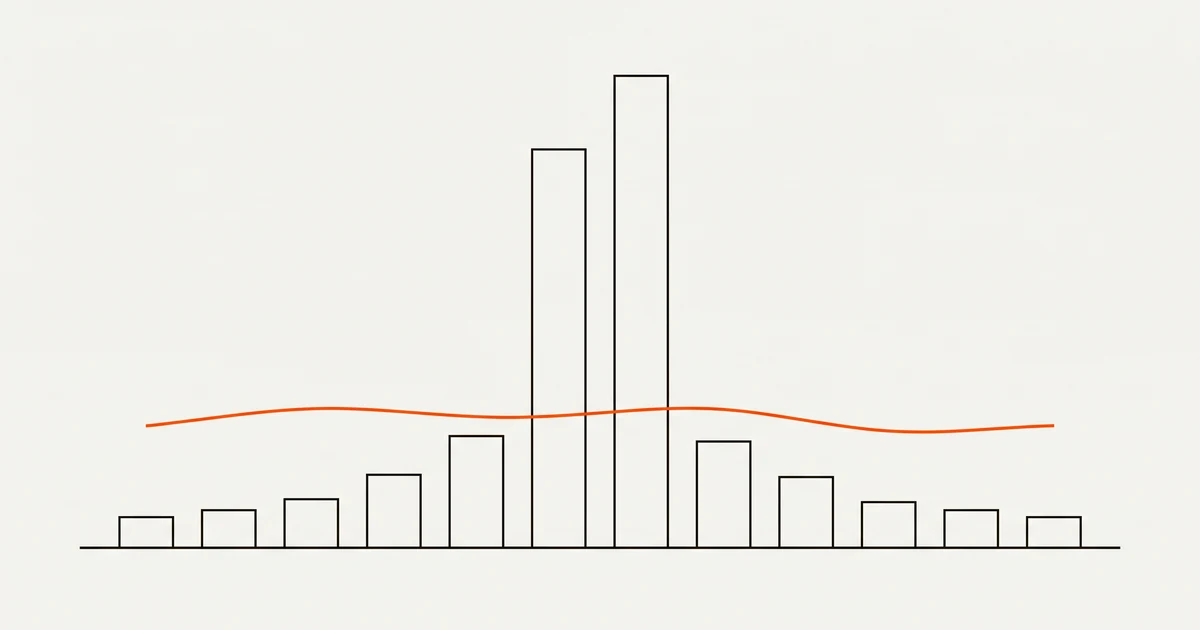
Some rural businesses do in eight weeks what they do in the rest of the year combined. August, the village festival, harvest season, the long weekend that brings the emigrants home. Then November arrives, and the same business looks like a different one.
Seasonality is not a defect to be corrected — it is a structure to be managed. But almost everyone manages it backwards.
First, draw the real curve
Before any decision, put twelve months of revenue on a sheet, month by month, then do the same for the year before. Do not use memory: memory exaggerates the bad months and shrinks the good ones.
Two surprises almost always appear. The season is shorter than it felt — the real peak is five or six weeks, not three months. And one month in the trough is noticeably better than the others, with nobody quite able to explain why. That month is where the second offer will fit.
The calendar mistake
The natural reflex is to advertise when there is movement. It is the worst possible moment.
During the peak the business is already full: every euro spent buys customers you would have had regardless. And it is when every competitor advertises at once, which pushes the cost of each click up.
The return sits in the two moments when nobody advertises: four to six weeks before the peak, when people are deciding and booking, and at the bottom of the trough, when competitors have gone, costs fall, and whoever does need you that month finds you effortlessly.
Selling the season before it arrives
A season already sold in May is worth more than a season sold in August: it hits the bank earlier, it removes the risk, and it frees your head to work instead of sell.
Pre-booking with a deposit, a waiting list, a lower price for booking early, a package of dates. This is not sophisticated marketing — it is what hotels have done for decades and what almost no rural service business does.
The peak is the trough’s contact factory
This is the point that changes the year, and the most ignored.
In August more people pass through your business than at any other time. Almost all of them leave without a trace: an invoice with a name on it is not a contact.
If you collect the details of half of those people, with permission and with a concrete reason for them to hand it over — next year’s dates, early booking, guarantee, news — you go into November with a list of people who have already bought from you and know who you are. Selling to that list costs a fraction of finding a new customer.
For many seasonal businesses, that is the difference between a trough and a reasonable month. It is also why it is worth having your measurement in place before the season rather than after: without knowing where they came from, August’s contacts are worth half.
The second offer
The third piece is having something to sell in the trough to a different customer. Businesses living off summer visitors sell to residents in winter. Those living off consumers sell to companies. Those living off on-site service sell remotely.
The rule that prevents disaster: the second offer uses the same skill and the same structure. If it requires buying equipment, hiring people or learning a new trade, it is not a second offer — it is a second business, and starting a second business in the weakest month of the year is a bad idea.